
On-Site Corporate AI Training in Sri Lanka: How a Day at Your Office Runs
The first question we ask a company before an on-site AI day is not about AI. It is about the room.
Which screens work. Whether the Wi-Fi survives forty laptops at once. Whether people can log in to the AI tool the company already pays for, or whether it was blocked last year and nobody remembers why.
It sounds like admin. It decides the day. A room that spends its first hour on passwords never quite gets that hour back.
This is how we run corporate AI training on-site in Sri Lanka, from the two weeks before to the thirty days after. It is written for the HR, L&D or operations lead who has just been asked to "organise some AI training" and wants to know what they are signing up for.
What is on-site corporate AI training?
On-site means we come to you, and the room is only your people. That changes three things.
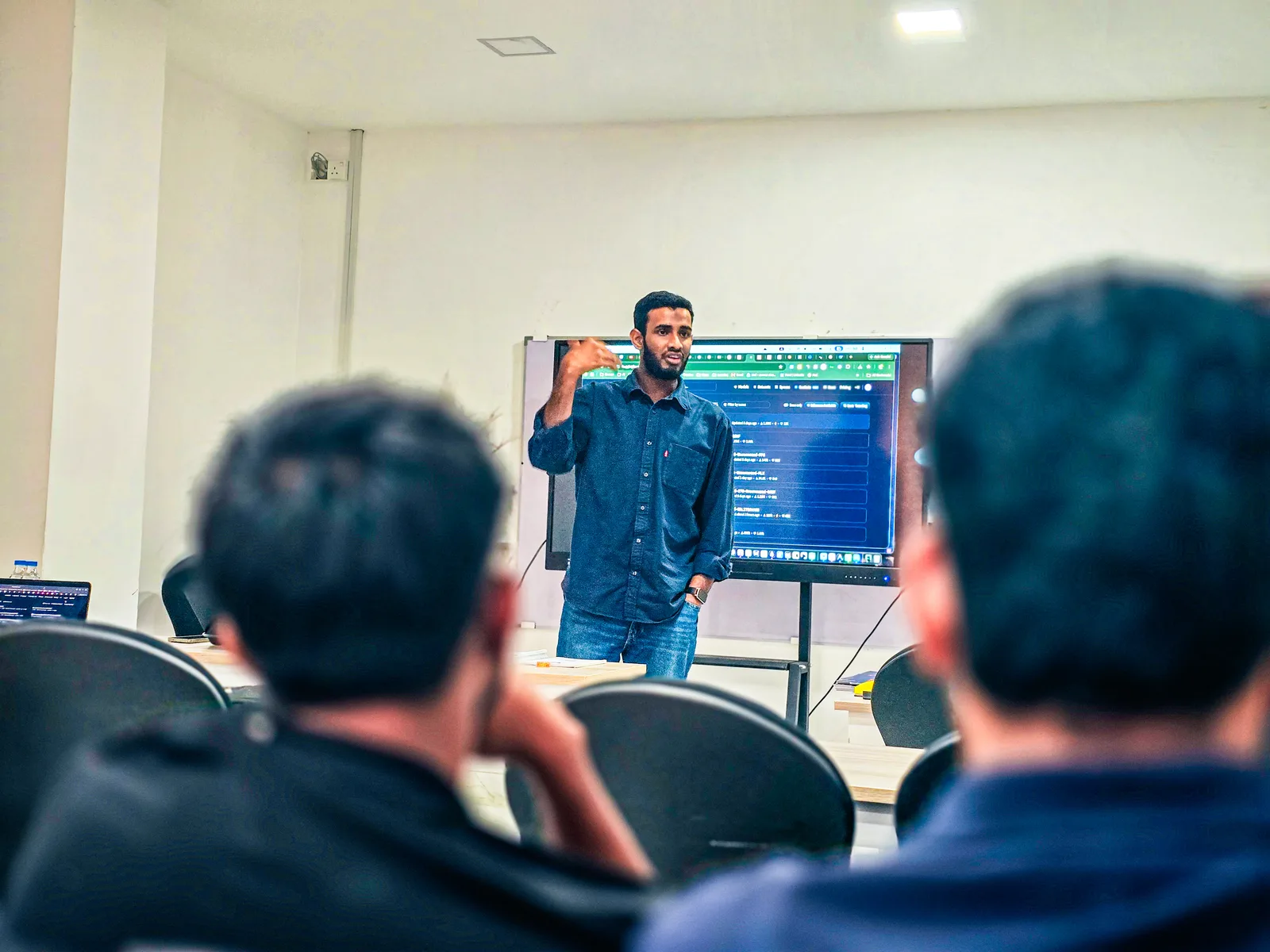
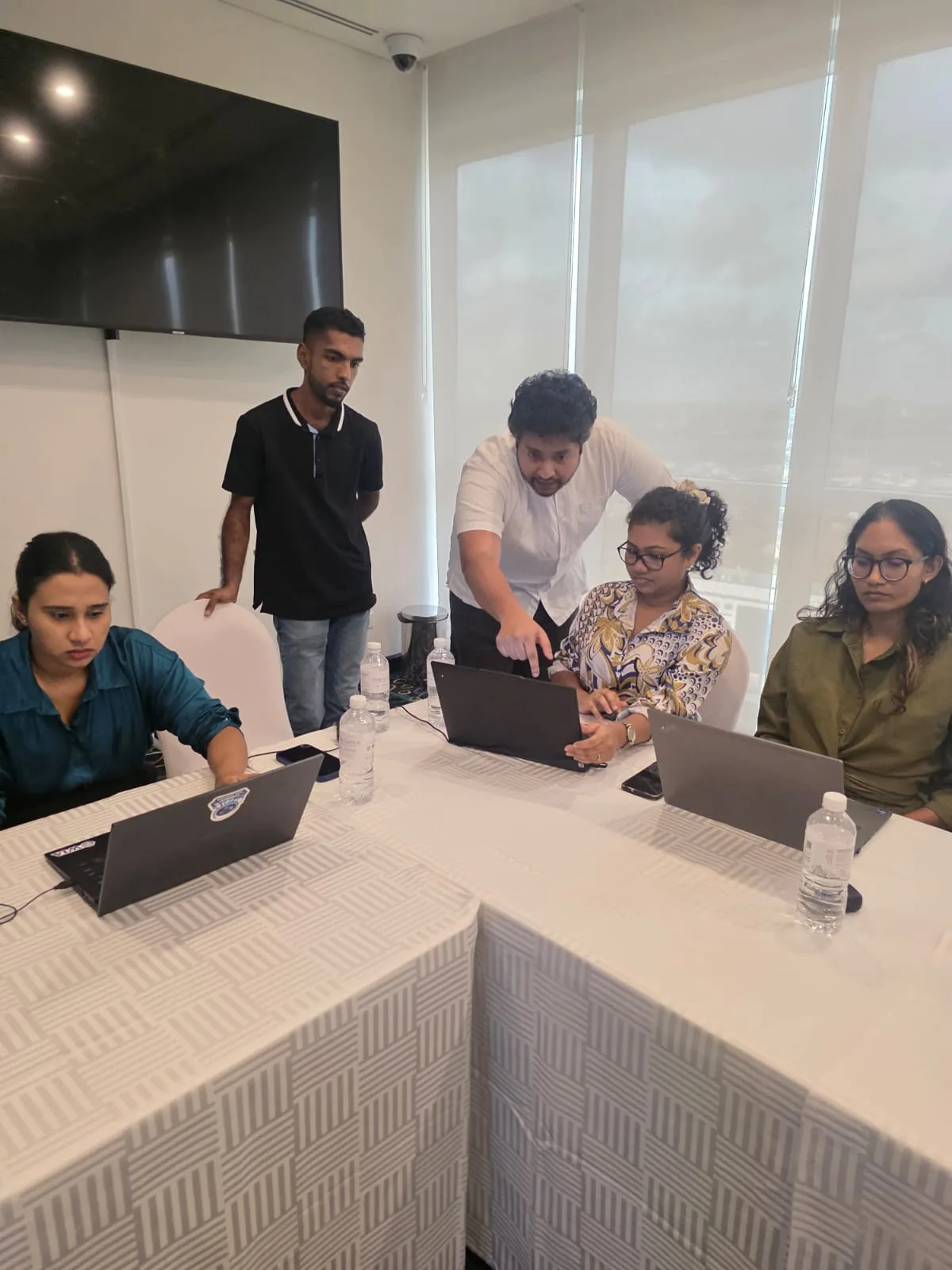
The examples are your processes, not a case study from a company you have never heard of. The tools are the ones you already license, whether that is Copilot, ChatGPT Enterprise, Gemini or Claude. And people ask the awkward internal questions, because there are no outsiders listening. In Sri Lankan offices, where nobody wants to look slow in front of a senior colleague from another company, that last one matters more than it sounds.
Most companies start with one of four formats:
| Length | Best for | |
|---|---|---|
| Half-day workshop | Four hours, fully hands-on. | A first move with one team, or leaders before a wider rollout. |
| Full-day workshop | Six to eight hours, with a proper break. | One department building its first workflows and tools. |
| Role-based pilot | Typically two to four weeks. | One department, measured before and after. |
| Phased rollout | Typically about a quarter. | Department by department, with internal champions trained first. |
For how these fit into a bigger plan, see our complete guide to corporate AI training. This post is about the part most guides skip: what actually happens on the day, and what the host has to get right.
The two weeks before: what we ask you to do
Run the team score. On the AI Readiness Score page, choose Score My Organisation, confirm your email and send one invite link. Each person takes it in their own time, about six minutes at the quickest depth. You get a dashboard with the team's average, the spread and the weakest of five pillars, and we shape the day around it. If the results need to stay confidential, the Private AI Audit is the same score with a branded report and a debrief.
Answer a short pre-training questionnaire. The question that matters most asks each person to describe one process they run every week, step by step. On the day, that process becomes their material. People learn faster on their own work than on any example we could bring.
Check tools and access with IT. Which AI tools are licensed, which are allowed, and whether every participant can actually log in. We train on what you already pay for and show the alternatives side by side, so the choice stays yours. Low use of licences a company is already paying for is one of the most common reasons teams come to us in the first place.
Agree what data can go into which tool. We would rather settle this before the day than in front of the room. With Parts I and III of Sri Lanka's Personal Data Protection Act taking effect on 1 January 2027, it is also the right moment to write it down. Our guide to the PDPA and AI at work is a starting point.
The day, block by block
Here is the shape of a full on-site day. The times are an example and move to fit your office. A half day keeps the first two blocks and a shorter build.
| Block | What happens | |
|---|---|---|
| 9:00 | How AI actually works | What a large language model is, why it gets things wrong, and how to judge a new model for yourself instead of waiting for someone else's review. |
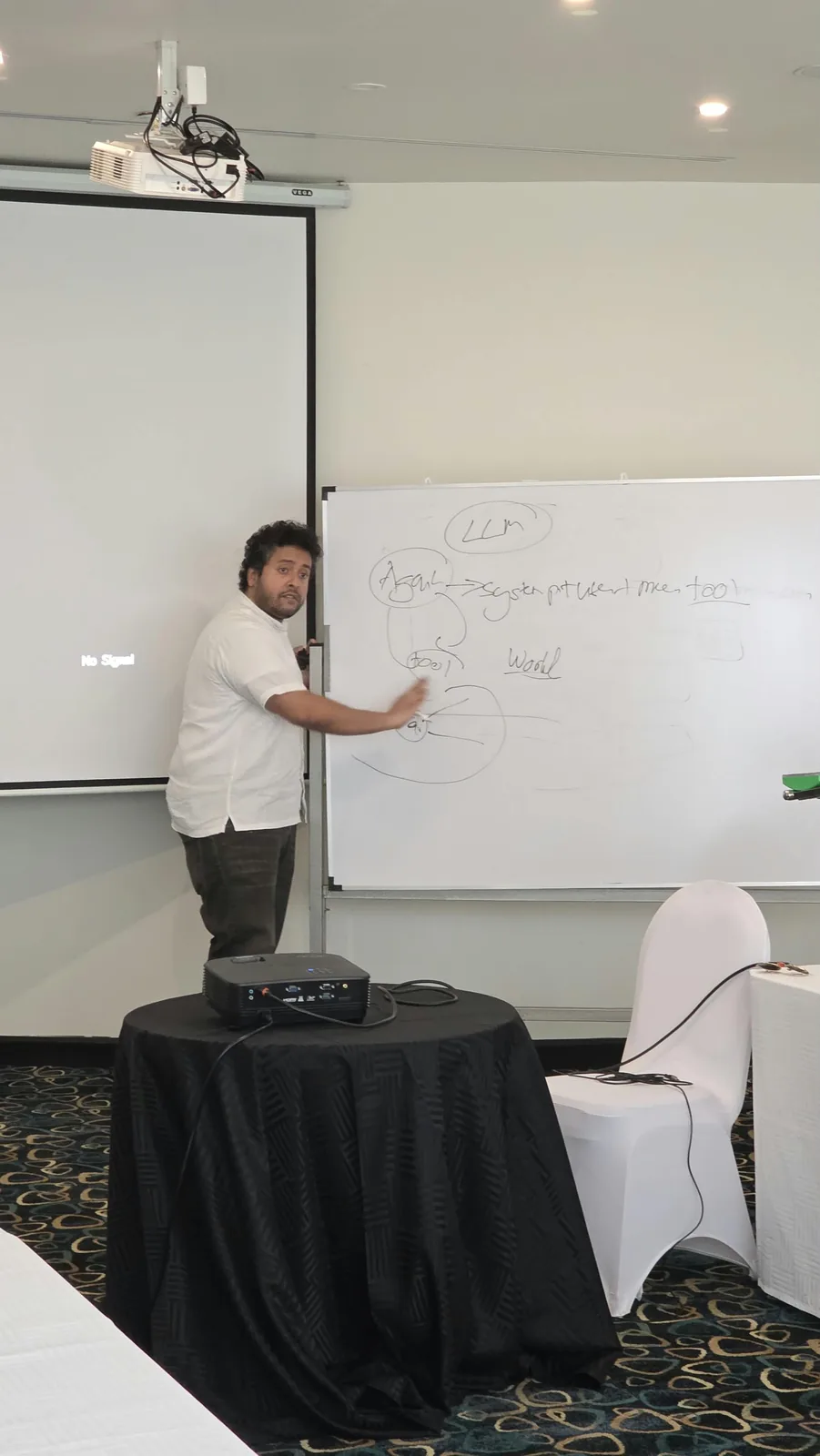
| 10:00 | Map one real workflow | Each person charts a process they run, such as hiring, month-end or a weekly report, and marks each step as something AI can accelerate, augment or automate. These are our three As of AI. |
| 11:30 | The first assist | Everyone takes one step from their map and gets AI doing it well, on their own documents, in the tools the company licenses. |
| 12:30 | Lunch | A real break. A hands-on day is tiring in a good way. |
| 1:30 | Automation basics | Triggers and actions, and how to connect a model, a memory and a tool. Built in what you already own: on Microsoft 365, that means Copilot and Power Automate. |
| 3:00 | Build a small internal tool | Using an API to turn one step from the morning's map into a small tool the team can keep using. Their own process, not a demo. |
| 4:00 | AI Clinic | People bring the problems they could not crack, and the trainers and the room work through them together. Then show and tell. |
| 4:45 | Close | Each person commits to one workflow they will change, and the team leaves with a prompt library and the recordings. |
Prompting is still taught, but it is no longer the headline. People pick it up faster through practice and a take-home challenge than through a lecture on prompt formulas. The time that frees up goes into workflow mapping and building, which is where the hours are actually saved.
A checklist for whoever hosts the day
Most of this is invisible when it is done well. All of it is very visible when it is not.
| What good looks like | |
|---|---|
| The room | Tables, not theatre rows. Everyone can see a screen and reach a neighbour. |
| Screens | A large screen that is readable from the back row. In a big room, more than one. |
| Wi-Fi | Tested with every laptop connected at once, not with one phone. |
| Laptops | One per person, charged, with enough sockets. Tablets and phones will not do. |
| Logins | Every participant signed in to the agreed tools the day before. |
| The people | A mix of seniority, and every manager aware their people are offline for the day. |
| A sponsor | A senior leader who opens the day and comes back for the show and tell. |
| The time | Phones away and no "quick calls". A half-attended day teaches half. |
On group size: a fully hands-on room needs enough trainers to reach every table quickly, so we staff to the size of the group rather than squeezing everyone into one session. Large groups work too, with more trainers and more screens, or split into department sessions over consecutive days.
After the day: how to make it stick
A workshop on its own fades within weeks. We have written about why in why AI training doesn't stick. So the day is never the whole plan.
Your team keeps the recordings for your L&D library, a prompt library organised by role, and the tool guide from the day. Each person leaves with one workflow they have committed to change. About 30 days later the team takes the AI Readiness Score again, and leadership sees the shift in numbers instead of in a feedback form.
The people who moved fastest on the day are usually your future AI champions. Give them a role, a little time and a reason to keep going. Our AI Champion programme exists for exactly them, and our 90-day rollout plan for Sri Lankan companies shows where the day sits in a wider rollout.
On-site or online for your team?
The content is the same. The strengths are different. On-site is better for a first programme, for teams that sit together, and for anything hands-on with new tools. Online works well for organisations with several offices, using breakout rooms for each department. Hybrid suits groups spread across Sri Lanka or the region. We deliver all three, on-site in Sri Lanka and Singapore and online across Asia.
What does on-site AI training cost?
We price per programme, quoted after a discovery call, not per head, so a bigger team does not multiply the bill. What moves the price is how many roles need their own track, how much is built on your own documents and tools, whether delivery is on-site or online, and how much follow-up you want. The detail, including how to compare quotes, is in what corporate AI training costs in Sri Lanka.
Teams we have trained in the room
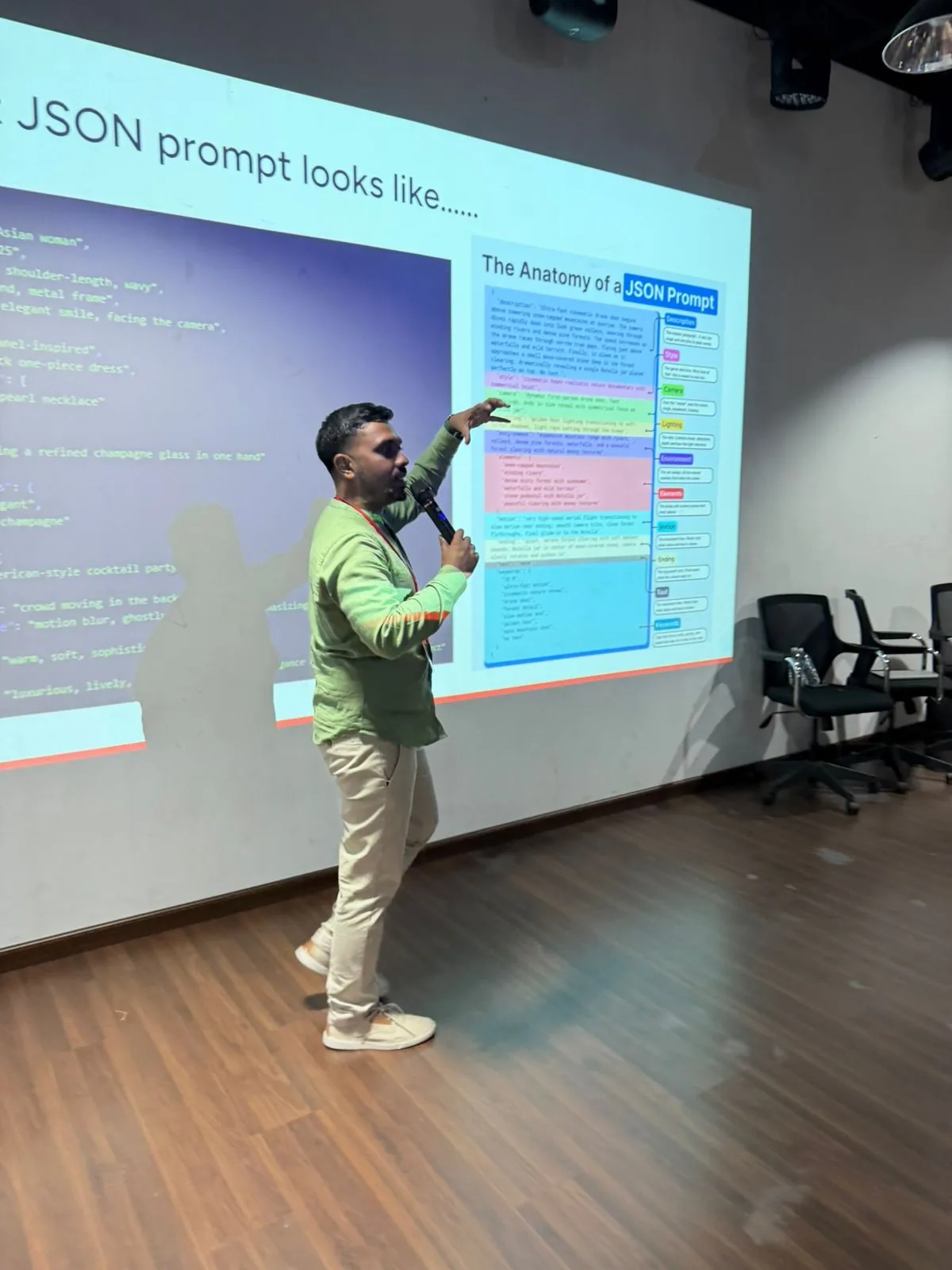
The Derana creative teams, Lines Strategy, and corporate programmes in Colombo that we cannot name. A packed room at ICTA's Global Entrepreneurship Week session, and an AI skills workshop with the Singapore AI Association. For what our public bootcamps look like from the inside, read in-person AI training in Sri Lanka.
“With AI evolving so quickly, I would definitely have my team train with them again.”
Anuki Premachandra, Founder & CEO, Lines Strategy
“Their sessions are well structured, engaging, and focused on real-world use cases.”
Nimila Jayawardena, AI Lead, Derana Macromedia
Both are Google reviews. Read them on Google, or see more rooms in our gallery.
One thing to try before you book anything
Ask three people on your team to write down, step by step, one process they run every Monday.
If they can, you are ready for a day like this, and you already have the material. If they cannot, that is the first thing the day will fix.
See where your team starts before you decide anything. It is free, and it takes each person about six minutes.
Score my team free →Ready to plan a day? Book a free 15-minute call
Frequently asked questions
What is on-site corporate AI training?
Training delivered at your own office, to your team only, on the AI tools you already license and on your own processes. Because there are no outsiders in the room, the examples are your real work and people ask the questions they would not ask in a public course.
How long is an on-site AI workshop?
A half-day workshop is four hours, fully hands-on. A full day runs six to eight hours with a proper break. For lasting change, a role-based pilot with one department typically takes two to four weeks, and a phased rollout across an organisation typically spans about a quarter.
How many people can attend one on-site session?
It depends on how hands-on the day is. A fully hands-on room needs enough trainers to reach every table quickly, so Cocoon staffs trainers to the size of the group. Larger groups work with more trainers and more screens, or split into department sessions over consecutive days.
Which AI tools do you train on?
Whatever your organisation already licenses, such as Microsoft Copilot and Power Automate, ChatGPT Enterprise, Gemini or Claude, with the alternatives shown side by side so the choice stays yours.
Do you deliver on-site AI training outside Colombo?
Yes. Cocoon is headquartered in Colombo and delivers on-site across Sri Lanka and in Singapore, with programmes in Malaysia, Cambodia and Dubai, and online across Asia.
How much does on-site corporate AI training cost in Sri Lanka?
Cocoon prices per programme, quoted after a discovery call, not per head, so a larger team does not multiply the cost. The price depends on how many roles need their own track, how much is built on your own documents and tools, whether delivery is on-site or online, and how much follow-up you want.
How do we know the training worked?
Measure before and after. Your team takes the free AI Readiness Score before the day and again about 30 days later, so leadership sees the change in numbers. Alongside it, track two or three business numbers you already follow, such as time spent on a recurring report or use of the AI tools you already pay for.